
Look, I’m going to be honest with you. When I first became a single dad, I was terrified about screen time.
All the parenting blogs, the Instagram experts, the people who definitely don’t have kids telling me how to raise mine… they all had the same message: screens are bad, limit everything, your kid needs to be outside climbing trees 24/7.
And here’s the thing, they’re not entirely wrong. But they’re missing something massive.
Because last night, Tanner and I spent almost an hour in LEGO Worlds sabotaging each other’s builds, fighting with bananas and fish (don’t ask), and laughing so hard we both had tears streaming down our faces. And I realized something that goes against every parenting guru out there.
This wasn’t screen time. This was us time.
Video: Our father–son LEGO Worlds session is embedded above.
The Screen Time Debate Nobody’s Having Right Now
Real talk: I don’t give a shit about screen time limits the way most parents do.
There. I said it.
Before you leave a comment about how I’m ruining my kid, hear me out. I’m not saying screens don’t matter. I’m saying how you use them matters way more than how much you use them.
When Tanner’s watching YouTube videos for three hours by himself? Yeah, that’s a problem. When we’re playing LEGO Worlds together, communicating, problem-solving, laughing, and creating shared experiences? That’s parenting. It just happens to involve a screen.
The difference is engagement. The difference is connection.
And honestly? Most of the parents judging gaming time are the same ones who sit on their phones scrolling Instagram while their kids play alone in the same room. At least be consistent with your criticism.
Why LEGO Worlds Is Actually Brilliant for Father-Son Time
Creative Freedom Without Frustration
Actual LEGO gets Tanner frustrated when pieces don’t fit or his build falls apart (and then I’m spending 20 minutes finding that one specific piece under the couch)
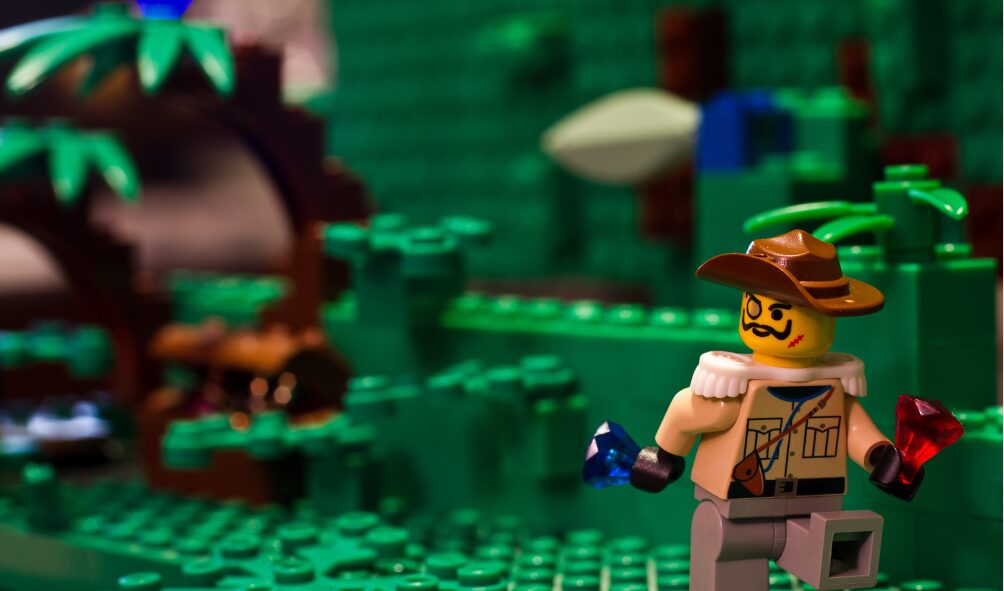
LEGO Worlds lets him build whatever his brain imagines. No limitations. No “we don’t have that piece.”
His creativity flows without the physical constraints. And watching a six-year-old’s imagination when you remove all barriers? That’s something special.
Natural Problem-Solving Opportunities
In our latest session, we had to help a witch find her broomstick and cat in a spooky town. Tanner had to figure out where to look, how to navigate the environment, what tools to use. I didn’t tell him what to do. I just explored alongside him and let him figure it out.
That’s the key… I’m not lecturing or teaching. We’re solving problems together.
He doesn’t know he’s learning spatial reasoning, resource management, and sequential thinking. He just knows we’re having fun finding a witch’s cat.
Shared Language and Inside Jokes
The banana vs. fish battle. The epic vehicle fails. The time he accidentally unlocked a monster truck and immediately drove it into the ocean.
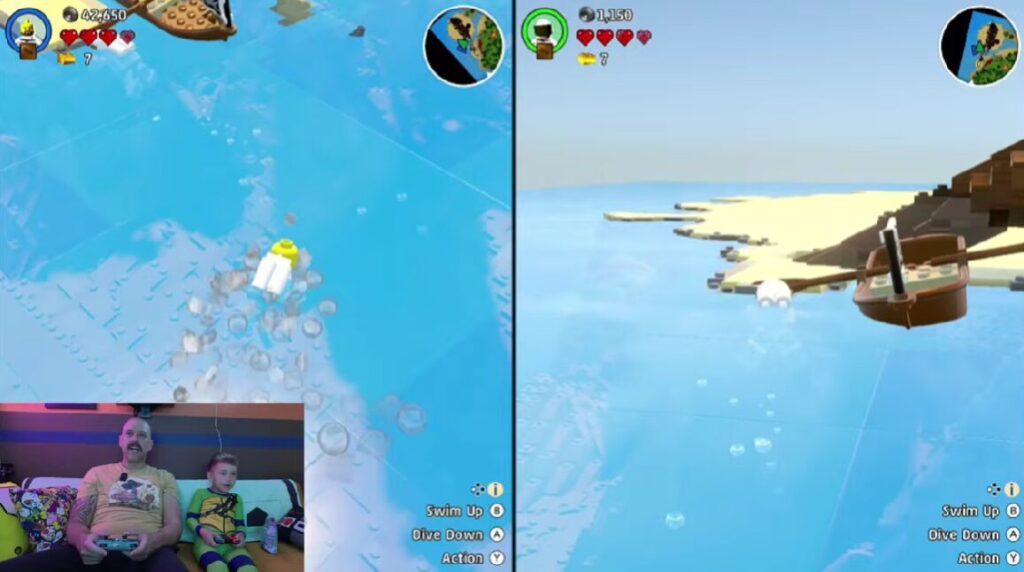
These become our things. References we make during dinner. Jokes that only make sense to us. Memories that have nothing to do with the game and everything to do with experiencing something together.
Last week at the grocery store, Tanner pointed at the bananas and whispered “attack mode” and we both cracked up. The lady behind us had no idea what was happening. But we did.
What Gaming With Your Kid Actually Teaches (That You Won’t Find in Parenting Books)
How He Handles Frustration
When a build doesn’t work or we can’t find something in the game, I see exactly how he processes frustration. Does he give up? Does he get angry? Does he try a different approach?
And more importantly, I can model healthy responses in real-time. When my helicopter crashed in the video (spoiler alert: I’m terrible at flying in this game), I laughed it off and tried again. He sees that. He learns that failure isn’t the end of the world.
His Natural Learning Style
Tanner learns by doing. Not by listening to instructions or watching tutorials. He needs to try, fail, adjust, and try again.
I only know this because I’ve watched him play games. And now I apply that knowledge to everything else… homework, learning to ride his bike, cooking together. The gaming showed me how his brain works.
Communication Under Pressure
When we’re in the middle of an adventure and things get chaotic, we have to communicate quickly and clearly. “Dad, I need help over here!” “Tanner, grab that piece!” “Watch out for the water!”
It’s low-stakes communication practice. No real consequences if we mess up, but genuine teamwork required to succeed.
The Business Lesson Hidden in Father-Son Gaming Time
Okay, switching gears for a second because this connects to something I talk about a lot with my agency clients and the Streamliner.gg community.
Everyone’s obsessed with optimization. Maximum efficiency. Squeezing every drop of productivity out of every hour.
And I get it. I’m an ENTJ. I live for systems and efficiency.
But here’s what gaming with Tanner taught me about the 80/20 principle that I wasn’t expecting: sometimes the 20% that matters most has nothing to do with your revenue goals.
I could use that hour to record another YouTube video for my main channel. I could work on client projects. I could build automations. All of those would be “productive” uses of time.
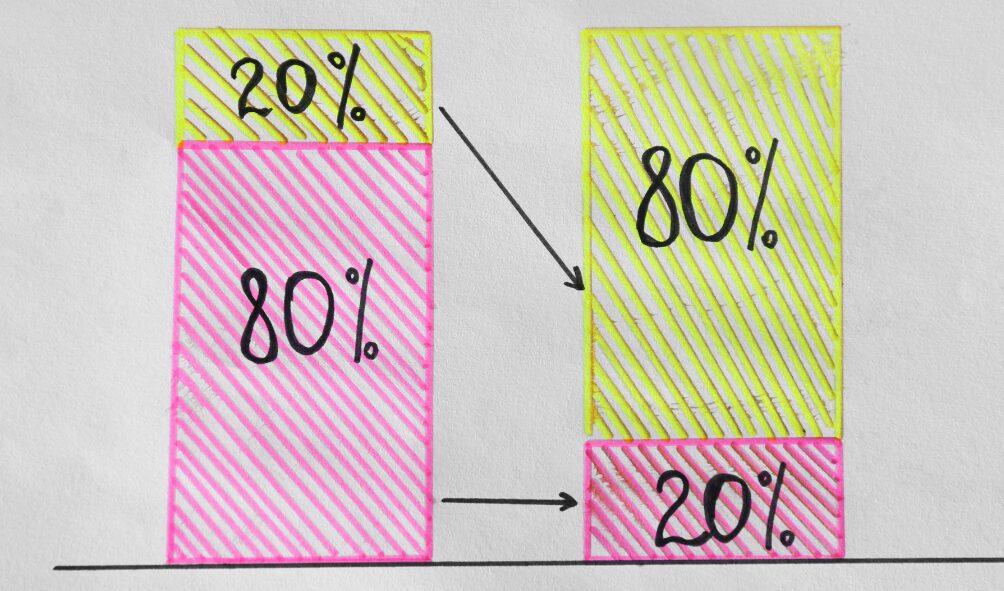
But the return on investment from one hour of genuine connection with my son? That compounds in ways no business metric can measure.
He’s six. In ten years, he’ll be sixteen. You think he’s going to want to hang out and play games with his dad then? Maybe. But probably not as much.
So the time to build that relationship, to create those bonds, to become someone he wants to spend time with… that time is right now.
That’s the actual 80/20. Everything else is just noise.
How to Actually Game With Your Kids (Without It Being Forced or Awkward)
Look, not every gaming session is magical. Sometimes Tanner’s not into it. Sometimes I’m too tired. Sometimes we start playing and realize we’re both just going through the motions.

Here’s what actually works for us:
Let Them Lead
I don’t plan out what we’re going to do in the game. Tanner decides where we explore, what we build, what adventures we go on. My job is to be a supportive co-op partner, not the director.
When he wanted to spend ten minutes just jumping off a tower into water? We did that. Was it “productive” gameplay? No. Was he laughing hysterically? Yes. That’s what mattered.
Play Games They’re Actually Interested In
This seems obvious, but I see parents trying to force their kids to play games the parent likes. “Here, let me show you this classic game from when I was your age…”
Unless your kid is genuinely interested, you’re just making them sit through your nostalgia. Play what they want to play.
LEGO Worlds works for us because Tanner loves LEGO. If your kid is into Minecraft, play Minecraft. If they like racing games, play racing games. Meet them where they are.
Make It Regular, But Not Mandatory
We play together a few times a week. Usually after dinner, before bedtime routine. It’s a pattern, but not a rule.
If he’s not feeling it, we don’t force it. If I’m exhausted and need a break, I tell him that too. “Hey buddy, Dad’s brain is fried tonight. Can we play tomorrow instead?”
Modeling healthy boundaries is parenting too.
Be Present (Put Your Phone Down)
This is the non-negotiable. If we’re playing together, I’m actually there. Not checking Slack. Not responding to emails. Not scrolling Twitter during loading screens.
He can tell the difference between physically present and actually engaged. Kids always can.
The Content Creation Angle (Because This Is Still a Business Blog)
Okay, so here’s where this connects to my main channels and what I teach about content creation.
Authenticity Beats Production Value
My main YouTube channel has good lighting, planned content, proper editing. It’s optimized for search and watch time.
These gaming videos with Tanner? They’re raw. Real. Unscripted. And you know what? They get just as much engagement. Different audience, but equal value.
People connect with authenticity. They can feel when content is genuine versus manufactured.
Documenting vs. Creating
I’m not creating content when I record these sessions. I’m documenting our time together. The content is a byproduct, not the purpose.
That shift in perspective changes everything. The pressure’s off. We’re just playing, and the camera happens to be on.
Gary Vee talks about “document, don’t create” all the time, and this is exactly what he means. The best content comes from just capturing what you’re already doing.
Building Multiple Assets Simultaneously
Here’s the systems thinking kicking in: when Tanner and I play LEGO Worlds together, I’m simultaneously:
- Building relationship with my son (primary goal)
- Creating content for YouTube (generates ad revenue + grows audience)
- Developing material for this blog (drives traffic + email subscribers)
- Modeling entrepreneurship for Tanner (he sees Dad working)
- Generating social media content (clips for TikTok, Instagram, etc.)
One activity, multiple outputs. That’s leverage.
But notice the order of that list. The relationship comes first. If I ever flip that priority, I need to shut the whole thing down.
What This Has to Do With Your Business (Or Your Life)
You’re probably wondering why I’m writing a blog post about playing video games with my kid on a website that’s supposed to be about AI automation and digital marketing.
Here’s why: because the same principles apply.
Systems thinking isn’t just for business. You can apply it to relationships, parenting, health, everything. What are the inputs that create the outputs you want?
The 80/20 principle works everywhere. What’s the 20% of parenting activities that create 80% of the bonding and connection? For us, it’s gaming together. For you, it might be something completely different.
Authenticity compounds. In content, in business, in relationships. The real stuff always wins long-term.
And maybe most importantly: optimization has limits. You can’t automate your way out of showing up for the things that actually matter.
I can automate my email sequences. I can build workflows that handle client reporting. I can use AI to generate content briefs.
But I can’t automate being present with my son. I can’t systematize the moment he looks over at me and says “Dad, this is so fun” with that huge smile.
Some things require you to actually be there.
The Spooky Town, The Monster Truck, and What We Unlocked Together
Back to the actual gaming session in the video…
We finally completed enough quests to unlock the next world, and we ended up in this spooky town with witches and vampires. Tanner was equal parts excited and nervous (he’s still working through his fear of scary things, which is age-appropriate and normal).
But he pushed through it because we were doing it together.
That’s the thing nobody tells you about parenting. Half of building confidence in your kid is just being there while they do slightly uncomfortable things. You don’t have to fix it or remove the challenge. You just have to be present.
We helped a witch find her broomstick and her cat. We flew around in a vampire’s vehicle (which Tanner thought was hilarious). We found and unlocked a monster truck, which immediately became his new favorite thing.
And then we crashed it into approximately everything.
Perfect evening.
Look, Here’s My Actual Point
I’m not writing this to convince you to play video games with your kids. Maybe that’s not your thing. Maybe your kids aren’t into gaming. That’s fine.
I’m writing this because I’m tired of the guilt-based parenting culture that makes you feel like shit for every choice you make.

Screen time isn’t the enemy. Disconnection is the enemy.
It doesn’t matter if you’re playing LEGO Worlds, building actual LEGO, playing catch in the backyard, or cooking dinner together. What matters is that you’re engaged. Present. Creating shared experiences and memories.
For us, gaming works. It’s something Tanner loves, something I enjoy, and something that creates space for real connection.
And if I can turn that into content that helps pay the bills and build my business? Even better.
But the business part is secondary. Always.
The primary goal is being the dad Tanner deserves. Everything else is just optimization.
Where to Watch the Full Session
If you want to see the actual chaos unfold (banana fights, helicopter crashes, monster truck destruction), the full video is embedded above. We’re building a whole series of these father-son gaming sessions, and honestly, they’re some of my favorite content to create because they’re the easiest.
I just hit record and play with my kid.
If you’re into Pokémon cards or TCGs, check out Colorful Cardboard (link below). It’s a shop I started with Tanner to teach him about entrepreneurship. He helps pick inventory, learns about profit margins (simplified for a six-year-old), and gets to see how businesses work from the inside.
More systems thinking. More real-world education. Less traditional parenting advice that doesn’t actually work.
And if you want more content about AI automation, business systems, and how to actually build leverage in your life and business, you’re in the right place. This blog, my main YouTube channel, Streamliner.gg… it’s all about the same core principle:
Use systems and technology to buy back your time for the things that actually matter.
Like playing LEGO Worlds with your kid and laughing about banana fights.
That’s the whole point.