
Running multiple YouTube channels seemed smart until it wasn’t. Here’s why I’m consolidating everything under one personal brand and what that means for my content.
Look, I’m just going to say it upfront: I’m the problem.
Not the algorithm. Not YouTube’s policies. Not even the lack of time (though being a single dad with a full-time business doesn’t help). It’s me.
I’m a textbook case of shiny object syndrome meets polymath tendencies, and over the past 15 years of making content, I’ve started and stopped more channels than I care to admit. Gaming channels. Tech channels. Podcast channels. Vlog channels. Even a channel I literally can’t remember what it was for.
“Split your content into niche-specific channels.”
So I did. Multiple times. And it never worked. Not because the advice was wrong, but because I never stayed consistent enough to make it work.
Watch the full breakdown here.
The Gaming Roots Nobody Remembers
This whole YouTube thing started 15+ years ago when I built my first gaming PC. This was back when nobody was thinking about making money from streaming or YouTube. We just did it because we loved games and wanted to share that with people on the internet.
I got into OBS, learned how to produce content, started live streaming on Twitch, and things were actually going pretty well. Then I got banned from Twitch (long story), and it completely took the wind out of my sails. I quit YouTube for a long time after that.
When I came back, I realized the gaming niche was saturated as hell. But I loved it, so I kept doing it. Except I also started mixing in tech reviews, tutorials, product reviews, and basically anything else I was interested in at the time.
Side note: This is where my polymath problem really started showing itself.
The “Split Your Channels” Advice (Take One)
Eventually, people started telling me the mixed content was hurting my channel. The algorithm couldn’t figure out what my channel was about, which meant it didn’t know who to show my videos to.
Made sense. So I split everything up:
- Main channel for tech/tutorials
- Gaming channel for… gaming
- Podcast channel for podcast episodes
- Another channel for something I can’t even remember
Here’s what nobody tells you about running four separate YouTube channels: it’s impossible to stay consistent when you have a high-pressure sales job, you’re a single dad, and life keeps happening.
I couldn’t keep up with posting schedules across four channels. The quality suffered. The consistency disappeared. And eventually, I just brought everything back to the main channel because at least then I could stay consistent with something.
The Polymath Problem (Or Why My Channel Looks Like A Digital Junk Drawer)
Let me explain something about how my brain works. I’m an ENTJ, and I get obsessed with emerging technologies. Like, really obsessed.
When crypto and blockchain first hit, I was all over it. Made content about it. Then NFTs became a thing, and I dove deep into that world. Then AI exploded, and now that’s what I’m creating content around.
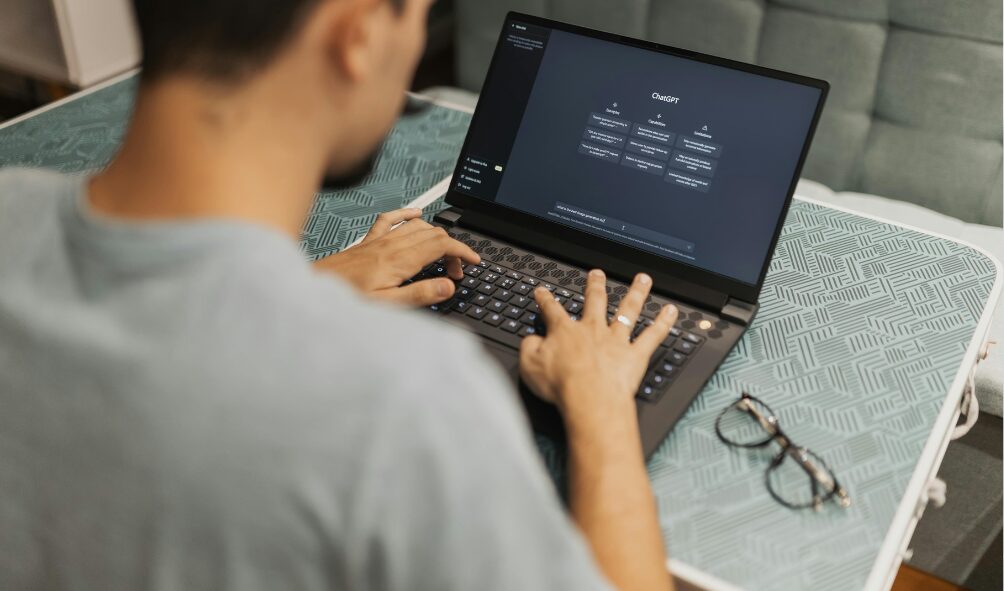
This isn’t me being flaky. This is me staying on the cutting edge of technology and being genuinely interested in what’s new and what’s next. But it does mean my channel looks like a random collection of whatever I was interested in at any given moment.
Gaming videos. Crypto explainers. NFT content. AI tutorials. Vlogs with my son. Tech reviews. Pokemon pack openings (yeah, that’s a thing we do now).
If you’ve been subscribed to this channel for a while, you’ve probably been confused as hell about what you signed up for.
The YouTube Coaches Said The Same Thing (Again)
Fast forward to last year. I decided to really focus on growing YouTube. Hired a couple editors. Brought on an assistant (shoutout to Eunice). And we even hired two YouTube coaches to help us figure this out.
“Split your content into niche-specific channels.”
But here’s the thing. They weren’t wrong. The advice is solid. Niche channels perform better because the algorithm knows exactly who to serve the content to. A channel about AI gets shown to people interested in AI. A Pokemon channel gets shown to Pokemon collectors. A gaming channel gets shown to gamers.
The problem isn’t the strategy. The problem is me trying to maintain multiple channels when I:
- Have ADHD tendencies with content
- Don’t know which content will actually perform well
- Might get bored of a niche and move on to something else
- Still work a full-time job and parent a 6-year-old
The New Strategy (That Might Actually Work This Time)
Main Channel (OMG It’s Derek) = Everything
This channel will have ALL of my content. Every single thing I create will be posted here.
Live streams. Vlogs. AI videos. Gaming content. Pokemon pack openings. Tech reviews. Podcast episodes. Random thoughts at 2am. All of it.
This is my personal brand channel. If you’re interested in what I’m doing as a person, if you want to see the full range of stuff I’m into, if you like hanging out and watching whatever I decide to make, this is your home base.
Niche Channels = Algorithm Bait (In The Best Way)
I’m spinning off separate niche channels based on what’s actually performing well on the main channel. Right now, that means three channels:
- AI Channel: Tutorials, tool reviews, automation workflows, all that stuff. This is performing really well right now, and there’s a clear audience for it.
- Derek and Tanner Secret Hideout: Pokemon pack openings and trading card game content. My son Tanner and I have gotten super into Pokemon collecting, and people seem to really enjoy watching us open packs together.
- Gaming Channel: VODs from live streams and edited gaming content. Live streams still happen on the main channel (because that’s community-building), but the VODs and edited videos go here.
Why This Approach Is Different (And Why It Might Not Last)
Here’s what makes this strategy different from my previous failed attempts: I’m being realistic about what might happen.
Those niche channels? They might not exist in six months. Or they might blow up. I have no idea.
If the AI content keeps performing well and growing, great. We’ll keep building that channel. If it doesn’t, or if I move on to something else (hello, polymath problem), then I can just stop posting to that channel and shut it down.
The key is that all the content still lives on the main channel. There’s always a home base. There’s always a place where everything exists together.
Think of it like this: the niche channels are experiments. They’re algorithm-optimized destinations for people who only want one specific type of content from me. But the main channel is the safety net and the long-term play.
What I Learned From Missing The Boat On Streaming Content
Back when I was first creating content for other streamers and content creators, that stuff was doing really well.
This was like 2015–2016, and there weren’t a ton of people making tutorials about OBS, streaming setups, how to build an audience on Twitch, all that stuff. I was doing it every day, I knew the space inside and out, and my videos were getting solid traction.
But I didn’t realize what I had. I didn’t understand that I was in a sweet spot where I had actual expertise in a growing niche with relatively low competition. And I definitely didn’t realize you could eventually make real money from YouTube.
I was just making videos for fun, so I was inconsistent and eventually moved on to other things.
If I knew then what I know now, I would have stuck with it. Built that channel. Became known as THE creator to follow for streaming and content creation advice.
That’s the lesson I’m trying to apply now. When something works, when a niche starts performing well, I need to recognize it and go all-in. That’s why we’re spinning off these niche channels for content that’s already showing promise.
The Real Goal (The PewDiePie Model)
My actual goal is to grow a following big enough that I can just post whatever the hell I want and people will watch it because they’re interested in me, not just a specific type of content.
Look at someone like PewDiePie. He started with horror game videos, right? But now he posts whatever he’s interested in, and he’ll get millions of views because people aren’t there for a specific niche. They’re there for him.
That’s what I’m building with the main channel: a community of people who are interested in my journey as an entrepreneur, a dad, a gamer, a tech enthusiast, whatever. People who want to see what I’m working on across all the different areas of my life.
Which Channel Should You Subscribe To?
Subscribe to the main channel (OMG It’s Derek) if:
- You’re interested in my journey as a person
- You like variety and don’t mind different types of content
- You watch my live streams
- You’re into the behind-the-scenes stuff
- You want to see everything I’m working on
Subscribe to the AI channel if:
- You only care about AI content
- You want tutorials and tool reviews
- You’re building automation workflows
- You don’t want the other stuff cluttering your feed
Subscribe to Derek and Tanner Secret Hideout if:
- You love Pokemon pack openings
- You’re into trading card games
- You think watching a dad and his kid geek out over cards is wholesome content
Subscribe to the gaming channel if:
- You only want the gaming content
- You missed a live stream and want to catch the VOD
- You’re not interested in the tech/business/life stuff
And hey, you can subscribe to all of them if you want. I’m not going to stop you.
The Content I Actually Want To Make (And What You Want To See)
Here’s where I need your help.
I make better content when I’m creating stuff people actually want to watch. If you’ve made it this far, tell me what you want to see:
- More AI automation content?
- Business systems and frameworks?
- Gaming content?
- Stuff about being a single dad in the entrepreneurial world?
- Deep dives on emerging tech?
- Pokemon content with Tanner?
I’m interested in a wide range of stuff: technology, business, finance, gaming, content creation, AI, systems thinking, you name it. But I want to focus my energy on creating content that actually provides value to you. Drop a comment or send a DM.
Why This Time Feels Different
- I have a team now. I’ve got editors and an assistant. I’m not trying to do everything myself anymore.
- I hired coaches who actually know what they’re doing. Not just random YouTube advice, but people who’ve helped channels grow and who understand the algorithm.
- I’m being realistic about my attention span. Instead of committing to maintaining four channels forever, I’m treating the niche channels as experiments that might not last. That takes the pressure off.
- The main channel is the safety net. Everything gets posted there no matter what, so there’s always consistency somewhere.
- I’m focused on building a personal brand, not just a niche channel. That’s the long-term play that actually excites me.
I might start an AI channel, post to it for six months, and then shut it down because I moved on to something else. That’s just how my brain works. But at least now I have a strategy that accounts for that instead of fighting against it.
The Single Dad, Entrepreneur, Polymath Reality
Here’s the thing nobody tells you about building a YouTube channel when you’re running multiple businesses and raising a kid on your own: there’s never enough time.
I work a high-pressure sales job during the day. I run Click Consultants, my digital marketing agency. I’m building Streamliner.gg, an AI automation platform. And most importantly, I’m raising Tanner, who’s six years old and full of energy.
Finding time to create consistent content across multiple channels? It’s not happening. Not realistically.
That’s why this strategy of having one main hub (the main channel) where everything lives, with optional niche channels that can come and go as needed, actually makes sense for my life.
I can maintain consistency on the main channel. I can batch content for the niche channels when that content is performing well. And I can shut down niche channels when life gets too busy or my interests shift, without losing everything I’ve built.
What This Means For You (The TL;DR)
- All my content will still be on the main channel (OMG It’s Derek)
- Some content will ALSO go on niche-specific channels for people who only want that type of content
- Live streams will still happen on the main channel
- The niche channels might not last forever, and that’s okay
- I’m building the main channel as a personal brand, not a niche channel
- Your subscription and support means everything, regardless of which channel(s) you choose
This isn’t me abandoning any type of content. This isn’t me pivoting to be AI-only or gaming-only or anything-only. This is me trying to serve both the algorithm (with niche channels) and the community (with the main personal brand channel). If consistency is your struggle too, you might like this post on content consistency and building systems.
The Ask
- Subscribe to the channel(s) that make sense for you. Main channel for everything, niche channels for specific content.
- Tell me what you actually want to see. Drop a comment or send a message. Your input directly influences what I create.
- Stick around while I figure this out. I’m trying a new approach, and it might take some time to see if it works.
- Share the content that resonates. The algorithm loves engagement, and it helps more people find the stuff I’m creating.
I’m not going anywhere. After 15 years of on-and-off content creation, I’m finally at a point where I have the team, the tools, and the strategy to make this sustainable long-term.
The content might change. The channels might evolve. I might get obsessed with some new technology six months from now and start creating content around that.
But the main channel, the personal brand, the community: that’s here to stay.
Thanks for being part of this journey. Let’s see where it goes.
Related posts
- Personal Brand vs Niche Channel: Which YouTube Strategy Actually Works?
- How I’m Using AI to Manage Multiple Content Channels (Without Losing My Mind)
- The Real Cost of Inconsistency: What 15 Years of YouTube Taught Me
- Building a Content System That Works When You Have ADHD (And Multiple Businesses)
- Why Every Entrepreneur Should Build a Personal Brand Channel